Speed is not neutral
Shorter spin cycles mean more decisions per hour. More decisions mean more chances for impulsive continuation, especially on a phone where context cues disappear.
Harm reduction, not hype
Billie and the Kids is a small editorial studio that unpacks how modern slots are engineered, why losses can accelerate in minutes, and where to find confidential help if play stops feeling voluntary. Nothing here takes deposits or pays prizes.
Section: reality check
Designers tune event frequency, near misses, and bonus teases so your brain predicts a win just around the corner. That loop can override the slower part of you that tracks time and money.

Quiet spaces help your prefrontal cortex catch up with what your thumb is doing on a screen. That pause is not weakness—it is how you reclaim the timeline of an evening.
When environments stay loud and blue-lit, losses feel abstract. Bringing body and room back into the frame makes numbers harder to ignore, which is ultimately protective.
Shorter spin cycles mean more decisions per hour. More decisions mean more chances for impulsive continuation, especially on a phone where context cues disappear.
Small repeated debits feel less painful than one large bill, yet they sum quickly. Pair that with credit friction removed at checkout and the damage can outpace your story about “just relaxing.”
Section: play lab
Our Oktoberfest social demo borrows reel language without deposits, withdrawals, or leaderboards tied to cash. Some people use that pause to step off real-money apps—others skip demos entirely. Both choices are valid.
Disclaimer: social entertainment only—no real money or prizes. We support responsible attitudes toward play. If gambling harms your life, pause and seek help. You must be 18+ where required.
Section: self reflection
There are no buttons here—only prompts inspired by common screening language. If several feel familiar, consider a confidential helpline or peer meeting when you are ready.
Read one line at a time. Breathe between sentences. If shame shows up, remember that machines are built to hold attention—struggling does not make you naive. A calm next step might be writing one honest paragraph or reaching out through a channel you already trust.
Section: resource library
Use the topic filter and search together. Cards hide instantly if they do not match both choices.

Fellowships built on shared experience can stabilize weeks when shame feels loud. Look for open meetings online if travel is hard.

Academic summaries explain why almost-winning is neurologically costly even when your wallet already lost the round.
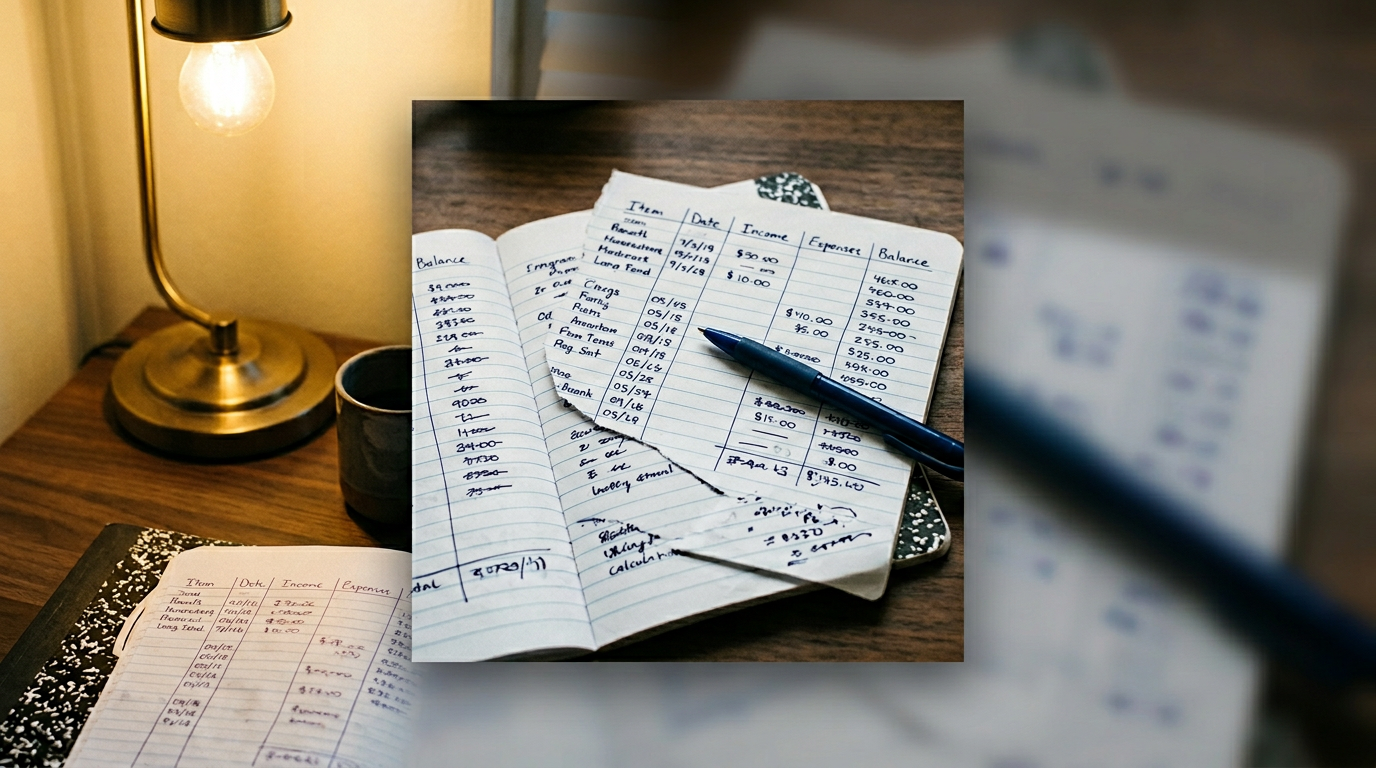
Simple paper ledgers beat slick bank feeds for noticing drift. Pair numbers with sleep notes to see patterns.
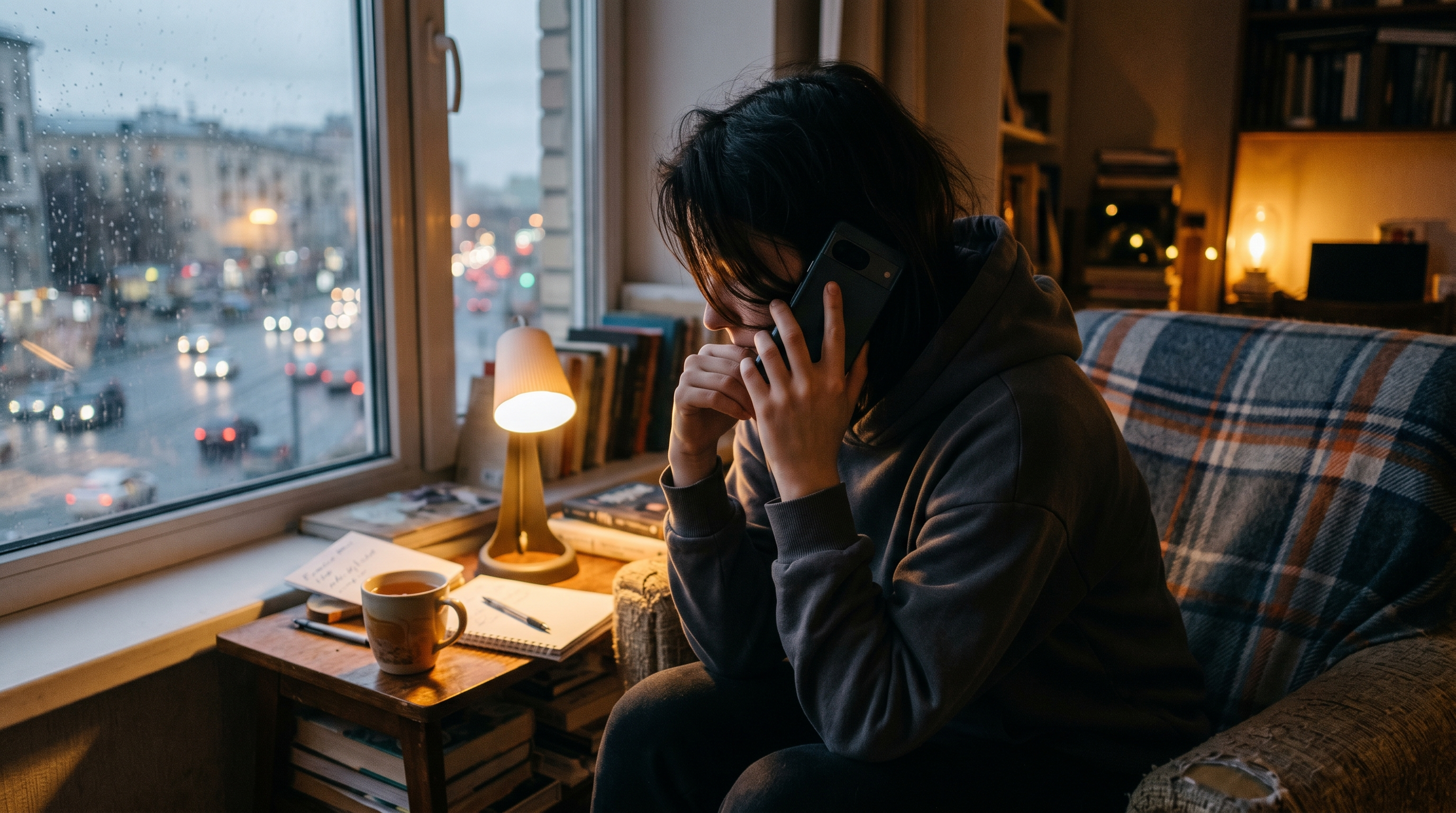
Many regions offer short codes or freephone lines staffed by counsellors who understand gambling harm specifically.

Removing autoplay app updates, turning off biometric checkout, and parking your charger outside the bedroom are small wins that stack.

When shared accounts exist, transparent budgeting meetings reduce surprises and rebuild trust slowly.
Filter what you need right now
Nothing matched this search and topic. Clear the search field or choose All topics, then try a shorter keyword.
Section: steady steps
Borrowed from long-running recovery paths, translated into calm everyday language.
Name the feeling underneath—boredom, grief, adrenaline—and write it on paper with the date.
You do not owe everyone the details. One non-judgmental friend, clinician, or sponsor changes the physics of shame.
Meals, walks, and sleep anchors matter more than motivational quotes when cravings spike at night.
Carrying the message is optional, generous, and often the best way to cement your own progress.
Section: questions
Plain answers about what we do, what we never do, and how to reach humans if you feel stuck.
No. We publish education and host a free-to-play demo that cannot accept funds. Any resemblance to marketing sites is intentional irony, not an offer.
Never. Some people find distraction helpful; others find any reel triggering. Listen to your body and stop if agitation rises instead of falls.
We aim for two business days. We are not an emergency service—if you are unsafe, call emergency services first.
Yes. Credit Billie and the Kids Harm Reduction Studio and remind audiences that lived experience beats fearmongering.
You do not need a perfect script—only enough courage to say you are scared of what the apps are doing to your attention. Most people who care about you will meet that honesty with relief, not judgment.
If tonight is not the night to speak aloud, write the sentence you wish you could say and tuck it somewhere safe. Evidence shows that naming the behaviour aloud reduces its grip over time.